If you are trying to choose the right part of Westlake Village, you are not really choosing between far-apart places. You are choosing the kind of daily routine you want inside one small, highly varied community. From lake-adjacent pockets to quieter estate-style streets, each area can shape how you handle errands, recreation, walking routes, and your overall pace of life. Let’s dive in.
Why neighborhood feel matters here
Westlake Village covers about 5.4 square miles and includes 20 neighborhoods. The city’s housing mix includes condos, townhomes, single-family homes, lakefront residences, mobile homes, and view-oriented estates.
Because the city is relatively compact, the difference from one neighborhood to another is often less about distance and more about lifestyle rhythm. In practical terms, one pocket may feel more connected to the lake and nearby amenities, while another may feel more private, lower density, and more car-dependent.
The city’s planning documents are especially useful because they organize neighborhoods by name, density, and special conditions. That makes it easier to compare daily life in three broad categories: lake-oriented pockets, golf and open-space pockets, and interior residential streets.
Lake-oriented neighborhoods and daily life
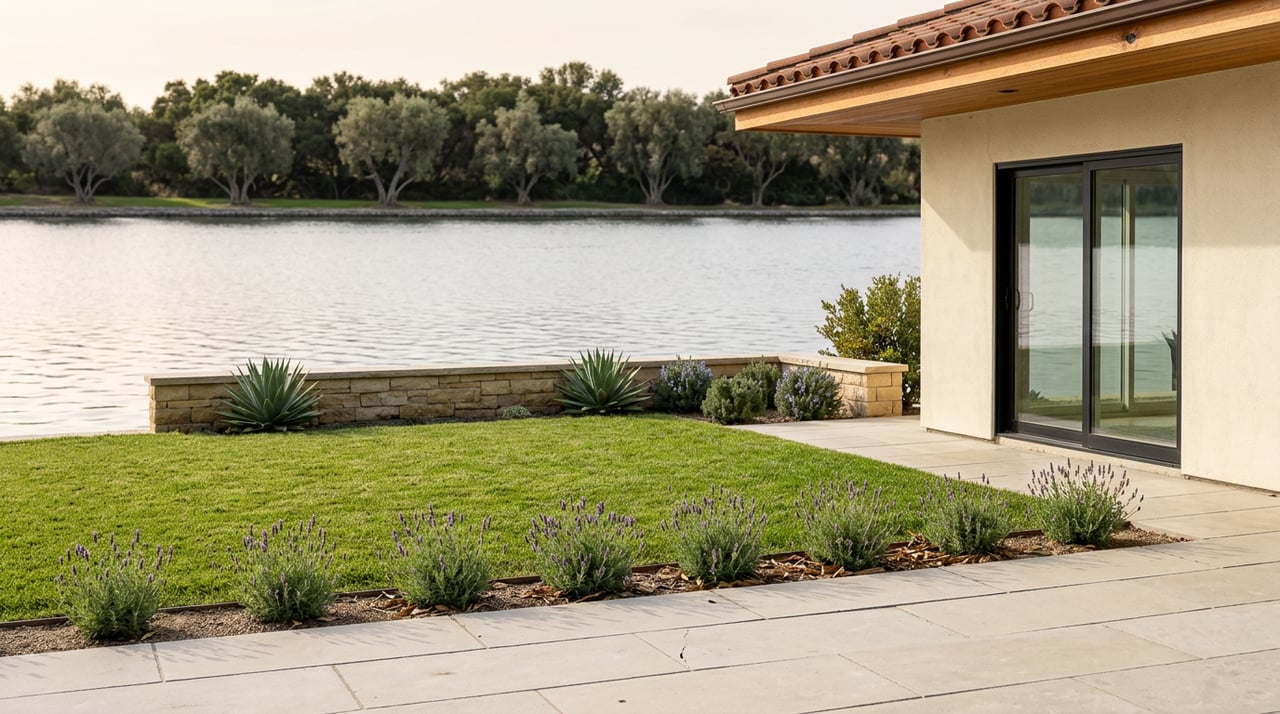
If you want your day-to-day life to feel connected to recreation and nearby amenities, the lake-oriented areas are often the first places to explore. Westlake Lake is a 150-acre feature of the city, and the city notes that residents are served by private recreation facilities including the lake, the Westlake Golf Course, and the Westlake Athletic Club.
Several neighborhoods are commonly part of the lake-focused conversation, including Lakeshore, Watergate, Westlake Island, Westlake Cove, and nearby pockets with close lake access. These areas tend to have a stronger neighborhood identity and, in some cases, more detailed design rules based on city records.
That matters because some buyers prefer a more managed environment with visible design consistency and maintained common areas. The city identifies special conditions of approval for neighborhoods including First Neighborhood, Lakeshore, Southshore and Westlake Island, Watergate, Westlake Terrace, and Westlake Trails.
For everyday living, this can translate into a more polished feel and easier access to recreation and commercial areas. At the same time, walkability still depends on the exact street because the city notes that some private residential areas do not have sidewalks or pedestrian paths.
Who may prefer lake-oriented pockets
You may like these areas if you want:
- Close connection to lake-based recreation
- Strong neighborhood identity
- Access to nearby commercial and private recreation facilities
- A setting that may feel more amenity-rich day to day
If your ideal routine includes getting out for a walk near the water, being close to activity, or enjoying a more distinct neighborhood setting, these pockets may fit well.
Golf and open-space neighborhoods
If you picture a quieter routine with more space and a stronger sense of separation from the busier parts of town, the golf and open-space pockets deserve a close look. This side of Westlake Village is shaped by the Westlake Golf Course, local trail access, and the broader Santa Monica Mountains trail network.
The city also maintains Class I and Class II bicycle lanes along major arterials, which supports an active outdoor lifestyle. For buyers who value trails, biking routes, and open views, that can make a meaningful difference in daily use of the neighborhood.
Neighborhoods such as Westlake Trails, Sycamore Canyon Estates, Southridge Trails, and Three Springs have lower densities in the city’s official neighborhood table. Westlake Trails, for example, is listed at 1.0 units per acre, while more compact neighborhoods like Westpark are far denser.
That lower-density pattern tends to suggest a more spread-out, estate-like rhythm. In many of these areas, the tradeoff is that you may get more privacy and quieter streets, but rely more on the car for errands and quick trips.
What to expect in open-space pockets
These neighborhoods may appeal to you if you value:
- Lower-density surroundings
- A quieter, more private feel
- Proximity to trails, biking routes, or golf-oriented scenery
- A more residential pace of life
This category can be especially attractive if your routine centers on home, outdoor recreation, and privacy rather than walking to nearby shops or services.
Interior residential streets and everyday convenience
For many buyers, the best fit is somewhere in the middle. Interior residential streets offer practical access to parks, schools, and shopping without being defined by a waterfront or golf-course setting.
This is where Westlake Village often feels most like a conventional suburban routine. You can be close to core daily needs while still living in a neighborhood that feels separate from the most destination-oriented pockets.
The city owns seven parks, and Westlake Village Community Park stands out for everyday use. It includes a walking and jogging trail, picnic areas, courts, play areas, sports fields, a skate park, and a YMCA facility.
The city also partners with Conejo Recreation and Park District for classes and camps. If your weekly schedule includes park visits, recreation programs, or outdoor time close to home, these interior areas can offer strong practical value.
Schools and family routines
Westlake Village lists White Oak Elementary in the city, with Lindero Canyon Middle and Agoura High nearby in Agoura Hills. The city also provides fee-based school transportation through a partnership involving Las Virgenes Unified School District and Durham School Services.
Rather than assuming every neighborhood works the same for school drop-off or after-school logistics, it helps to compare exact addresses. A short drive difference can affect the flow of your morning and afternoon routine.
Errands, dining, and local events
One of the benefits of living in Westlake Village is that many everyday needs can be handled locally. The city’s Restaurant Week information highlights more than 50 coffee, lunch, and dinner options, with clusters along Lindero Canyon Road, Russell Ranch Road, Thousand Oaks Boulevard, Lakeview Canyon Road, Via Colinas, Agoura Road, and the Westlake Golf Course area.
That means your neighborhood choice can influence how quickly you get to your usual spots, even within a small city. If you want easier access to dining and service clusters, proximity to those corridors may matter more than the neighborhood name alone.
The city’s events calendar also adds to the rhythm of daily life. Recurring programs include the Summer Entertainment Series, City Celebration, Holiday Sing-Along, 4th of July Parade and Fireworks, Earth Day, and Westlake Village Discovers.
If community events are part of what makes a place feel like home, you may want to think about how easily you can get to these gathering spaces from the neighborhoods you are considering.
Commute patterns in Westlake Village
Even in a city with strong local amenities, commuting is still largely road-based. The city’s general plan says U.S. 101 bisects Westlake Village, Agoura Road parallels the freeway, and Lindero Canyon Road is the city’s only direct freeway connection.
Lakeview Canyon Road and Triunfo Canyon Road mainly serve residential access and local circulation. So while daily errands may feel easy and local, your work commute may depend heavily on where you sit relative to Lindero Canyon Road and freeway access points.
Westlake Village is about 38 miles west of downtown Los Angeles and about 9 miles inland from the Pacific Ocean. For some buyers, that location supports a balanced routine with local convenience and broader regional access.
Why exact street choice matters
The city maintains more than 340,000 linear feet of sidewalks, but it also notes that many streets were originally built without sidewalks. That is one reason walkability can vary so much from one pocket to the next.
A lake-adjacent home, an interior tract home, and a hillside property may all offer very different walking experiences. If walking is part of your daily routine, it is smart to assess the specific route to parks, services, or recreation rather than assuming the neighborhood as a whole will function the same way.
A simple way to compare neighborhoods
If you are trying to narrow your search, this three-part framework can help:
- Lake-oriented pockets for recreation access, stronger neighborhood identity, and an amenity-rich feel
- Golf and open-space pockets for privacy, lower density, and a more spread-out daily rhythm
- Interior residential streets for practical access to parks, schools, and errands
This is not an official city ranking. It is a useful way to organize the city’s neighborhood data into everyday lifestyle categories that buyers can actually use.
What to verify before you make an offer
Once you find a neighborhood that feels right, the next step is address-level review. The city directs residents to its Zoning and Neighborhood Finder, and its residential standards materials list neighborhoods with special conditions of approval.
That can help you confirm whether a home sits in a pocket with more detailed design rules or neighborhood-specific conditions. For some buyers, those details matter just as much as the floor plan.
The city’s Landscaping District information is also worth checking. It separates citywide arterial maintenance from neighborhood-specific zones in First Neighborhood, Lakeshore, and Three Springs, which can affect how an area looks and how maintenance responsibilities are structured.
Choosing the right Westlake Village neighborhood is really about matching the home to your routine. If you want help comparing streets, neighborhoods, and the details that shape everyday living, Aimee McKinley can help you make a confident, well-informed move.
FAQs
What makes one Westlake Village neighborhood feel different from another?
- In Westlake Village, the biggest differences usually come from density, proximity to the lake or open space, sidewalk coverage, access to parks and errands, and whether a neighborhood has special design or maintenance conditions.
Which Westlake Village neighborhoods feel most connected to amenities?
- Lake-oriented pockets such as Lakeshore, Watergate, Westlake Island, and nearby lake-adjacent areas tend to feel most connected to recreation and nearby amenities, based on the city’s lake, recreation, and planning documents.
Which Westlake Village neighborhoods feel quieter or more private?
- Lower-density areas such as Westlake Trails, Sycamore Canyon Estates, Southridge Trails, and Three Springs generally suggest a more spread-out, private daily rhythm, based on the city’s official density table.
Are all Westlake Village neighborhoods equally walkable?
- No. The city states that sidewalk coverage varies because many streets were originally built without sidewalks, so walkability is highly specific to the exact neighborhood and street.
What is the best Westlake Village neighborhood for parks and family routines?
- Interior residential streets are often a strong fit if your routine centers on parks, schools, and errands, especially with access to places like Westlake Village Community Park and nearby school campuses.
What should buyers verify before choosing a Westlake Village neighborhood?
- Buyers should verify the exact address using the city’s neighborhood and zoning tools, review any special conditions of approval, and check whether the home is in a neighborhood-specific landscaping or maintenance zone.