Are you torn between the sparkle of a brand-new home and the character of an established property in Moorpark? You are not alone. Buyers here often balance budget, space, commute, and long-term value, and each option delivers a different mix. In this guide, you will learn how new construction compares with resale homes in Moorpark across price, HOA rules, lot sizes, commute, and appreciation, with local neighborhood context to help you choose with confidence. Let’s dive in.
Moorpark market at a glance
Moorpark pricing varies based on the source you check. Recent snapshots show different medians because they use different methods and time frames: Redfin reported a median sale price around 871,000 dollars in January 2026, Zillow’s ZHVI showed a typical value near 919,070 dollars through January 31, 2026, and Realtor.com listed a higher median listing price near 959,000 dollars at the end of 2025. The gap is normal. It reflects sold prices versus active listings and the mix of homes in each sample.
Days on market and inventory have eased from the tightest pandemic months. Some periods show more listings year over year and longer marketing times, which can improve your room to negotiate. Because prices vary by neighborhood, plan to review recent comps for specific tracts like Mountain Meadows, Peach Hill, and Buttercreek before you set expectations.
What you get with new construction
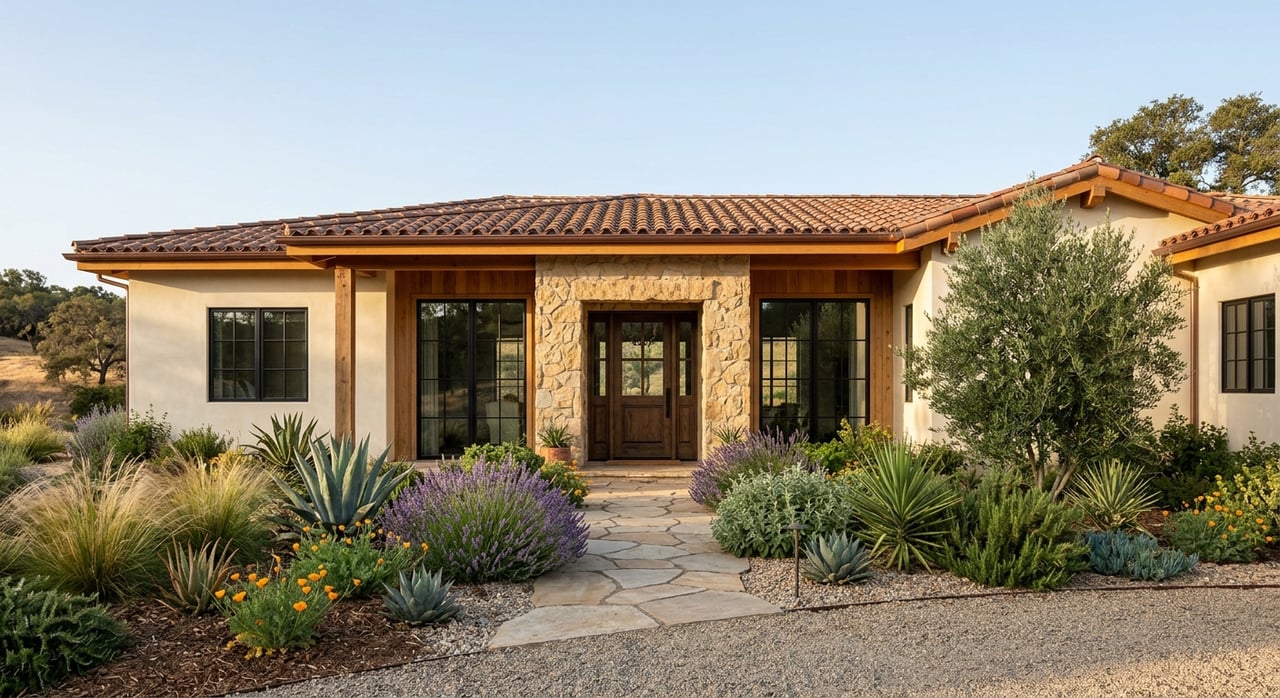
Newer product in Moorpark often means homes built in the 2000 to 2010 range rather than brand-new 2025 builds. You will find these in gated or planned pockets and small infill tracts, including areas of Peach Hill such as Alterra at Serenata. Truly large master-planned communities within city limits are rare today, so inventory can be limited at any given time.
Newer homes tend to offer open layouts, contemporary kitchens, and integrated tech. They also meet current energy codes, which can translate to lower utility use compared with older stock. A major plus is the builder warranty. Many builders provide a written package with common coverage timelines such as one year for workmanship, two years for systems, and 10 years for structural items. For a plain-English overview, review the typical coverage in the standard 1-2-10 builder warranty.
Lot sizes in newer Moorpark pockets are usually moderate. Many models sit on roughly 6,000 to 9,500 square foot lots. Yards can be smaller than you will see in older estate-style areas, but you gain modern systems and flexible floor plans that suit busy households.
Builders also respond to market conditions with incentives. In recent years, national data shows the new-home price premium narrowed while builders used rate buydowns, closing cost credits, and upgrade packages to help buyers. Your effective price matters more than the sticker price. Ask if a builder is offering a temporary or permanent rate buydown, and compare the monthly payment impact. You can read more about this trend in HousingWire’s summary on the shrinking new-home premium.
HOAs in newer communities
Many newer or gated pockets include homeowners associations. Fees in recent Moorpark listings range from modest amounts into the mid-hundreds per month, depending on services like common-area landscaping, pools or club facilities, and trash or roof maintenance in townhome-style product. Before you buy, review the HOA budget, reserve study, CC&Rs, meeting minutes, and any pending special assessments. In California, HOAs operate under the Davis–Stirling Common Interest Development Act, which sets disclosure and reserve rules. For background on maintenance and reserve topics, see these plain-language HOA resources.
What you get with resale homes
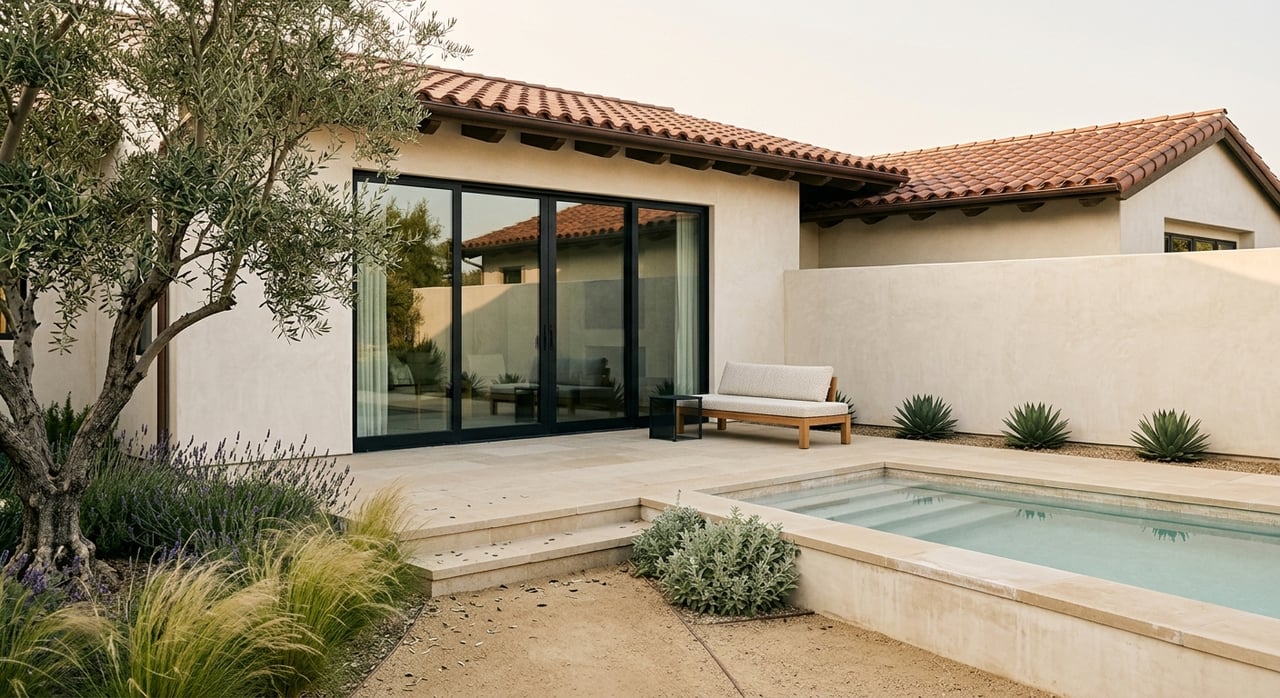
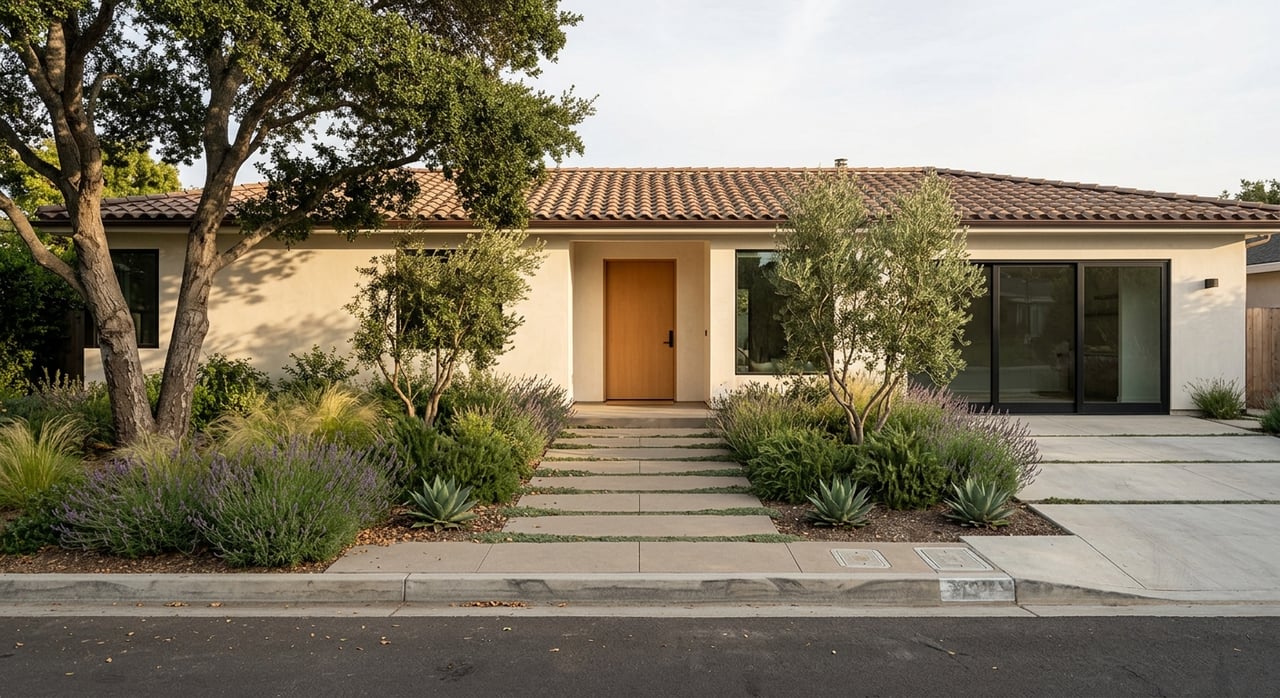
Resale neighborhoods in Moorpark often deliver larger lots and mature landscaping. Tracts like Mountain Meadows, Buttercreek Estates, and Country Club Estates include homes from the 1970s through the 2000s, with many lots ranging from about 0.15 acres to well above half an acre. If you prioritize outdoor living, space for a pool, or future ADU potential, resale areas can check those boxes.
The trade-off is maintenance. Older roofs, HVAC, plumbing, and windows may need repair or replacement. That creates negotiation points and the need for an inspection and upgrade budget. You will see a wide spread in price per square foot on resale homes depending on condition and updates. If you love a big yard and are comfortable managing projects, resale can be a smart way to gain land value.
Buyers who value school data also tend to track demand in established areas. If this is part of your decision, review public sources. For example, you can browse Moorpark-area school information to understand programs and context. Always verify the current school boundary and program details directly with the district.
Commute and transportation
The American Community Survey reports Moorpark’s mean travel time to work at about 28.9 minutes. That gives you a baseline when comparing Moorpark to locations closer to Los Angeles. See the current figure in the Census QuickFacts profile.
Moorpark also has a Metrolink and Amtrak station at 300 High Street on the Ventura County Line. For some buyers, commuter rail service into Los Angeles Union Station is a quality-of-life win. Frequency and travel times vary by schedule and day, so compare the latest timetables. Review the Ventura County Transportation Commission’s Moorpark station info when planning your routine.
Appreciation factors that matter here
In Moorpark, long-term value often tracks with land and location. Larger lots and homes within popular attendance boundaries have tended to show more stable appreciation over time compared with short-term finish trends. That is why two homes with similar square footage can trade at very different prices based on lot size, setting, and neighborhood.
With new construction, near-term maintenance risk is lower thanks to warranties, but if several new phases release at once nearby, short-term appreciation can be muted by additional supply. With resale homes, land value and location can support price resilience when inventory is tight. Recent national reporting shows that the list-price premium for new homes narrowed as builders leaned into incentives. When you compare options, focus on effective price after credits and rate buydowns, not just the headline list.
Side-by-side checklist
Use this quick checklist as you weigh new construction versus resale in Moorpark:
Up-front cost and negotiation
- New: Pricing often starts at builder list. Incentives like rate buydowns or closing credits can reduce your effective cost. Read details and compare payment scenarios. See context in this new-home premium trend.
- Resale: List-to-offer dynamics vary by condition and days on market. Seller credits are common when inspections reveal issues.
Move-in timeline
- New: You might find quick-move-in homes or wait months for build-out and options. Timelines depend on inventory and upgrade choices.
- Resale: Typically faster once escrow closes, subject to agreed repairs and seller timing.
Maintenance and immediate expenses
- New: Fewer near-term repairs and systems covered by a builder warranty. Review common terms in the 1-2-10 warranty structure.
- Resale: Plan for an inspection and a repair or upgrade budget. Older systems can affect both cost and comfort.
Lot size and outdoor space
- New: Many newer Moorpark homes sit on moderate lots. Smaller yards can mean lower upkeep.
- Resale: Older tracts often provide larger lots and mature landscaping, which appeals if you value privacy, play space, or ADU potential.
HOA and governance
- New: HOAs are common in planned pockets and can include strict design standards and amenities. Review CC&Rs, the annual budget, reserve study, and any pending assessments. For background, visit these HOA maintenance and reserve resources.
- Resale: Options include both HOA-free streets and older associations with different dues and services.
Financing and incentives
- New: Ask about builder-paid rate buydowns, preferred lender credits, and closing cost help. Your monthly payment can shift meaningfully with incentives.
- Resale: Standard loan programs apply. Appraisals often have more comps in established tracts, but it is always case specific.
Resale potential
- New: Modern layouts and energy efficiency attract many buyers. If multiple new phases release nearby, short-term resale may face competition.
- Resale: Character, lot size, and location can drive demand among buyers who value space and established neighborhoods.
Neighborhood snapshots to frame your search
- Peach Hill and Alterra at Serenata: Newer-feel gated pockets with contemporary floor plans. Expect moderate lot sizes and HOA services that vary by address. If you want turn-key living with community amenities, start here.
- Mountain Meadows: Many larger floor plans with lots commonly in the 5,000 to 9,000 square foot range, and often above the citywide median depending on upgrades. Great if you want space without managing acreage.
- Buttercreek and Country Club Estates: Larger lots in established settings, including examples that approach three quarters of an acre. Consider these if you want yard space, privacy, and outdoor project potential.
Use these as starting points. Your final short list should come from recent sold comps and on-the-ground touring to align layout, yard, and commute needs.
Which path fits you
Choose new construction if you want minimal maintenance, modern layouts, and potential builder incentives that improve your monthly payment. You will likely trade some yard size and take on HOA rules in many cases.
Choose resale if you want more land, mature landscaping, and a wider range of locations and character. Plan for inspections, possible upgrades, and careful budgeting for systems.
Either path can work in Moorpark. Define your must-haves first: commute, yard, layout, HOA appetite, maintenance tolerance, and timeline. Then compare total monthly costs and long-term value drivers rather than focusing only on list price.
If you would like a tailored side-by-side with live comps and estimated monthly costs, reach out. We will build a plan around your timing, budget, and priorities.
Ready to explore Moorpark homes with a local who knows the neighborhoods, HOAs, and micro-trends? Connect with Aimee McKinley to start a focused search or request neighborhood-by-neighborhood comps.
FAQs
What is the typical commute time from Moorpark?
- The American Community Survey lists a mean travel time to work of about 28.9 minutes. See the current figure on Census QuickFacts.
Does Moorpark have a train to Los Angeles?
- Yes. The Moorpark station on the Ventura County Line offers Metrolink service into Los Angeles Union Station. Check Ventura County Transportation Commission schedules for current times.
How do HOA rules affect new vs resale homes in Moorpark?
- Many newer pockets have HOAs with design standards and amenities; older tracts may have lower dues or none at all. Review CC&Rs, budgets, reserve studies, and potential assessments using resources like the Davis–Stirling–focused HOA guides.
Are builder incentives common right now?
- Builders have widely used rate buydowns, closing credits, and upgrades to move inventory, which narrows the price gap with resale. Learn more in this HousingWire summary.
What warranty coverage do new homes usually include?
- Many builders provide a 1-year workmanship warranty, 2-year systems coverage, and 10-year structural protection. See a plain-English overview of typical coverage at 2-10 Home Buyers Warranty.
How do lot sizes compare between new and resale homes?
- Newer Moorpark tracts commonly feature moderate lots around 6,000 to 9,500 square feet. Established neighborhoods like Buttercreek and Country Club Estates often offer larger lots, sometimes above half an acre.