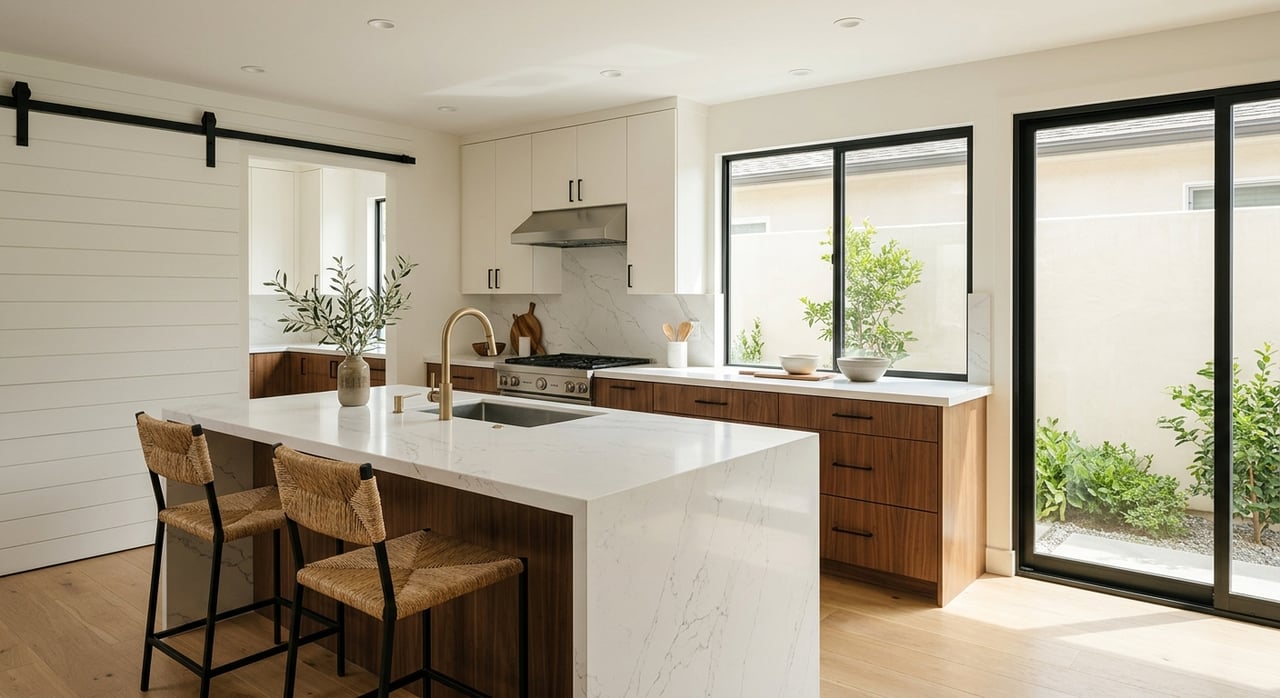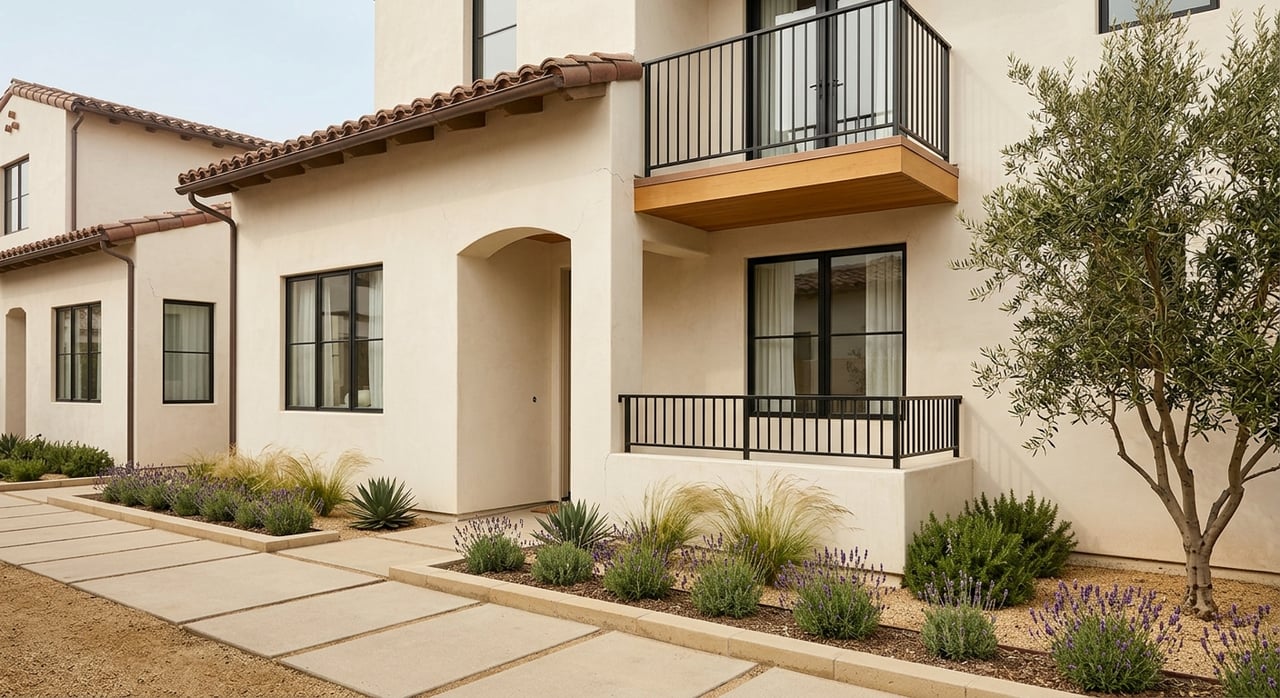
Thinking about moving up in Thousand Oaks without leaving the community you already know? You are not alone. In a market where many buyers want to stay local, trading up often means moving just a few miles for more space, a different layout, or a higher price tier. This guide will help you understand what that step can look like in Thousand Oaks, what it may cost, and how to plan your sale and purchase with fewer surprises. Let’s dive in.
Why staying local makes sense
For many Thousand Oaks homeowners, moving up is not about changing cities. It is about keeping the routines, commute patterns, and local connections that already work for you while finding a home that fits your next chapter better.
That local-first mindset shows up in the data. Redfin search trends for late 2025 found that 78% of Thousand Oaks homebuyers searched to stay within the metro area. If you want more house without giving up the area you know, you are in good company.
What the Thousand Oaks market looks like
Thousand Oaks remains active and competitive. Zillow’s May 31, 2026 snapshot shows a typical home value of $1,049,452, 324 homes for sale, 133 new listings, and a median 15 days to pending.
Other sources point in the same direction. Redfin reported a median sale price of $1,110,336 for the three months ending May 2026, with homes taking a median 40 days on market, averaging about 3 offers, and selling at a 99.0% sale-to-list ratio. Realtor.com’s March 2026 local market page showed a median listing price of $1,199,000 and a 99% sale-to-list ratio.
The big takeaway is simple. This is not a deep-discount market, so move-up buyers usually need a clear plan for pricing, timing, and cash flow.
How trading up can look within Thousand Oaks
One of the most helpful things about Thousand Oaks is that it has a real internal price ladder. That means you may be able to move up without making a dramatic geographic change.
Zillow neighborhood values show a wide range across the city. Newbury Park is around $1,025,750, Lake Lindero is around $1,049,572, Midtown is about $1,159,885, Forest Cove is about $1,200,373, Reyes Adobe is about $1,260,070, Morrison Ranch is about $1,818,223, and Morrison Estates is about $2,585,509.
That spread matters. Compared with Newbury Park, Morrison Ranch is about $792,473 higher in median neighborhood value, while Morrison Estates is about $1,559,759 higher. In other words, a move-up purchase in Thousand Oaks can mean a modest next step or a major jump in budget.
ZIP code differences matter too
You can also see the move-up story at the ZIP code level. Realtor.com reports a median listing price of $967,500 in 91360 and $1,300,000 in 91362.
That is a difference of $332,500 within the same city. If you are planning to stay local, that kind of gap can shape your target payment, down payment needs, and the amount of equity you may want to unlock from your current home.
How much more your next home may cost
If you are moving up in Thousand Oaks, the budget increase depends on how far up the local ladder you want to go. Some homeowners are looking for one more bedroom, a larger yard, or a newer floor plan. Others are aiming for a very different price tier.
A practical way to think about it is in bands:
- Entry move-up: moving from one roughly $1 million area to another with a slight premium
- Mid-tier move-up: moving from neighborhoods around the low-$1 million range into areas around $1.15 million to $1.3 million
- Major move-up: moving into neighborhoods with values well above $1.8 million
This is why local planning matters so much. Even a move of a few miles can create a meaningful change in your financing needs and monthly housing costs.
Should you sell first or buy first?
This is one of the biggest decisions for Thousand Oaks move-up buyers. The right answer depends on your equity, financing strength, comfort with risk, and how flexible you can be on timing.
Selling first
Selling first can simplify the financial side of the move. You may free up equity for your down payment, reduce the chance of carrying two homes at once, and make it easier to understand your real budget.
The tradeoff is timing. In a competitive market, you could sell your current home and then need temporary housing or a short-term rental while you wait for the right replacement property.
Buying first
Buying first can help you secure the right home when inventory is limited. That can be appealing in a city where homes can move quickly and sale-to-list ratios remain high.
The tradeoff is cost. You may need to carry overlapping housing expenses, and property tax timing can create additional short-term pressure after closing.
Property taxes and reassessment in Ventura County
When you buy a new home in Ventura County, the property is generally reassessed after a change in ownership. The Ventura County Assessor says recorded transfers generally require a Preliminary Change in Ownership Report, while unrecorded transfers require a Change in Ownership Statement.
The county also notes that failing to notify the Assessor can lead to interest charges, penalties, and reassessment of prior years. This is one reason move-up buyers should pay close attention to paperwork and timing during escrow.
Ventura County explains that property taxes are based on assessed value under Proposition 13. Annual increases are capped at 2% until the property is sold or new construction is completed. The general tax levy is limited to $1 per $100 of assessed value, with voter-approved special taxes and direct assessments added.
Supplemental tax bills can surprise buyers
A sale or new construction can trigger a supplemental tax bill. Ventura County says this is a one-time bill based on the difference between the new assessed value and the prior assessed value.
If you close and assume the tax story is over, that can be a surprise later. It is smart to budget for supplemental taxes along with regular closing costs and moving expenses.
Local transfer tax is part of closing costs
Ventura County’s documentary transfer tax adds another local cost to know. The county ordinance sets the tax at $0.55 per $500 of consideration, or $1.10 per $1,000.
This may not be the largest line item in your move, but it is still part of the numbers. When you are coordinating two transactions, smaller closing costs add up quickly.
Proposition 19 timing for move-up buyers
For homeowners who qualify under Proposition 19, timing matters. The California Board of Equalization says the base-year transfer claim is filed after both transactions are complete and the replacement home is occupied, not through escrow.
That timing catches some buyers off guard. If you buy your replacement home before your original home sells, the Board of Equalization says you pay taxes based on the full fair market value of the replacement during the overlap period, with no refund for that time.
The equal-or-lesser-value rules also depend on timing:
- 100% if the replacement home is bought before the original home sells
- 105% if the replacement home is bought within one year after the sale
- 110% if the replacement home is bought within two years after the sale
For many move-up buyers, the practical point is this: buying first may help you secure the right home, but it can also increase short-term tax exposure and carrying costs.
Planning for a housing gap
Even when both transactions are well managed, timing does not always line up perfectly. If you sell first, need a rent-back period, or need extra time before your new home is ready, temporary housing may become part of the plan.
Current rental benchmarks in Thousand Oaks suggest that bridge housing exists, but it is not cheap. Zillow reports an average rent of $3,362 per month as of May 31, 2026, while Realtor.com reports a median rental price of $4,300 and 193 rental listings in March 2026.
That means temporary housing should be treated as a real budget category, not a side note. If you may need a short-term rental, include it in your move-up math alongside mortgage overlap, property taxes, closing costs, and moving expenses.
A smarter local move-up strategy
A successful move-up plan in Thousand Oaks usually starts with clarity, not urgency. Before you tour homes, it helps to understand what your current home may sell for, what price band feels comfortable for your next purchase, and how much flexibility you have on timing.
A strong local strategy often includes:
- Estimating your current home’s likely sale range
- Defining your next-home budget by monthly payment and cash needed to close
- Comparing target neighborhoods or ZIP codes within Thousand Oaks
- Planning for reassessment and possible supplemental taxes
- Deciding whether selling first or buying first fits your risk tolerance
- Building a backup plan for temporary housing if needed
When you stay local, the move can look simple from the outside. In reality, it is often a two-transaction puzzle that works best with detailed planning and neighborhood-level guidance.
If you are considering a move-up purchase in Thousand Oaks, working with someone who understands the local price ladder, market pace, and Ventura County tax realities can make the process much smoother. When you are ready to map out your options, request a free home valuation from Aimee McKinley.
FAQs
Should I sell first or buy first in Thousand Oaks?
- Selling first can free up equity and simplify financing, while buying first can help you secure the right home in a competitive market. The best choice depends on your cash position, borrowing power, and comfort with temporary overlap costs.
How competitive is the Thousand Oaks housing market for move-up buyers?
- Thousand Oaks remains competitive. Recent local data show a 99% sale-to-list ratio, about 3 offers on average in Redfin’s reporting window, and a median 15 days to pending in Zillow’s May 2026 snapshot.
How much more does a move-up home cost in Thousand Oaks?
- It varies by neighborhood and ZIP code. Local data show values ranging from about $1.03 million in Newbury Park to about $2.59 million in Morrison Estates, with a ZIP code median listing price gap of $332,500 between 91360 and 91362.
What happens to property taxes when I buy a new home in Ventura County?
- A change in ownership generally triggers reassessment. You may also receive a supplemental tax bill based on the difference between the prior assessed value and the new assessed value.
Can I buy before I sell and still stay local in Thousand Oaks?
- Yes, but you should plan for possible overlap in mortgage, tax, and other carrying costs. For some buyers, buying first helps secure the right home, but it can create higher short-term expenses.
How much should I budget for temporary housing in Thousand Oaks?
- Recent local rental benchmarks show an average rent of $3,362 per month from Zillow and a median rental price of $4,300 from Realtor.com. Your exact cost will depend on timing, availability, and the type of rental you need.
Which Thousand Oaks areas may represent the next step up?
- Based on neighborhood value data, buyers often look across a range that includes areas like Newbury Park, Lake Lindero, Midtown, Forest Cove, Reyes Adobe, Morrison Ranch, and Morrison Estates, depending on how large a step up they want to make.